Roof Replacement vs. Repair: How to Decide What’s Best
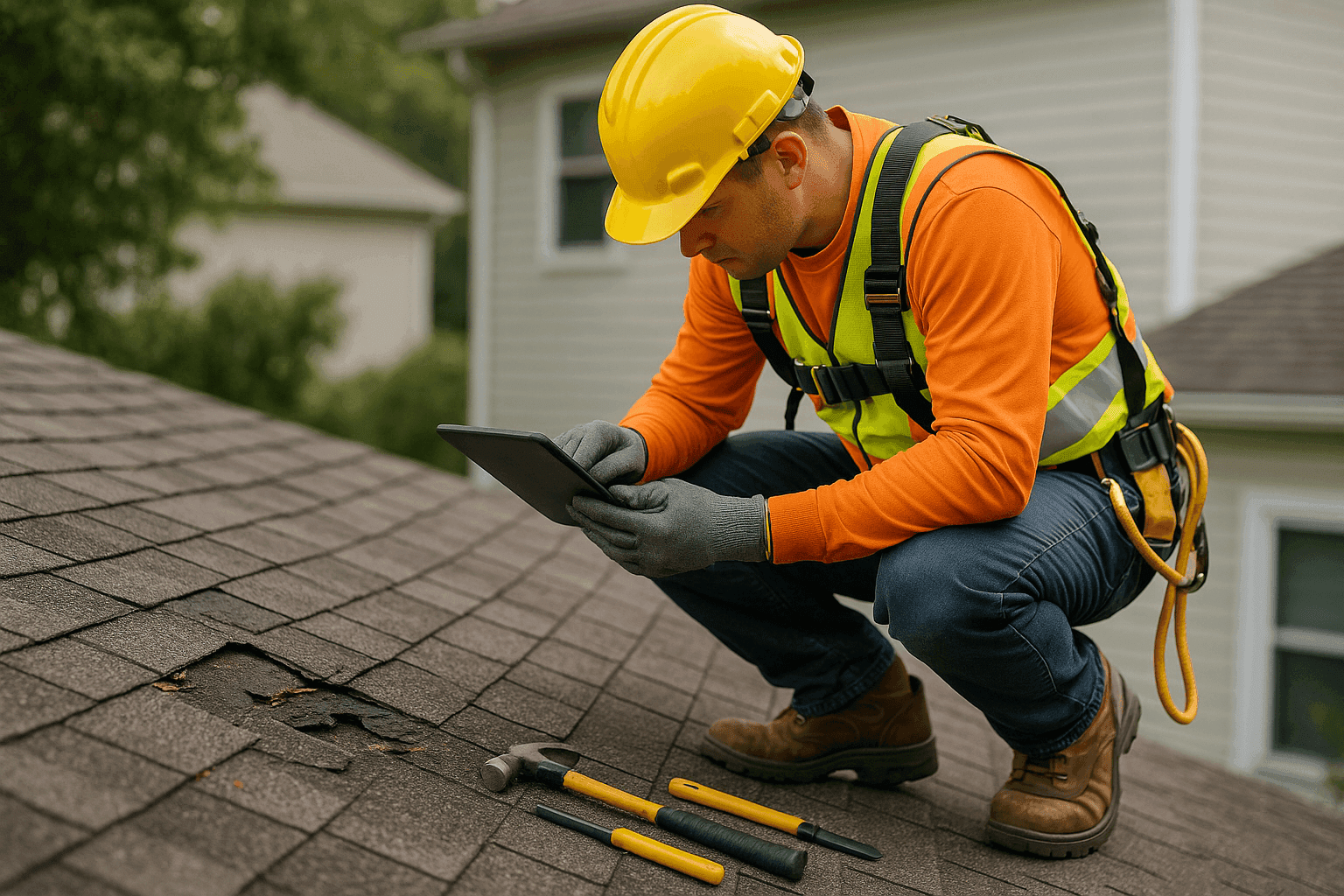
Is your roof trying to tell you something? Maybe it’s a few missing shingles. Maybe it’s a leak that appears every time rain clouds roll in. Roof problems rarely arrive with fanfare, but they never go away on their own. At Serenzia Roofing, we know the questions swirling in your mind: Is it time to patch things up, or do you need a whole new roof overhead?
This decision can feel like a fork in the road. One path is a simple fix, the other a bigger investment. Both impact your safety, comfort, and wallet. Here’s how to spot the signs, weigh your options, and move forward with confidence.
Signs Your Roof Needs Repair 🛠️
Small issues can turn into bigger headaches if left unchecked. Repairs make sense when the core of your roof is still sound, but a few things are off. Here’s what to look for:
- Missing, cracked, or curled shingles: Spot replacements can prevent leaks before they start.
- Minor leaks or water stains: Localized leaks—especially around chimneys, skylights, or vents—often just need targeted repairs and better flashing.
- Loose or damaged flashing: Water sneaks in where metal flashing has lifted or rusted.
- Gutter or downspout trouble: Overflowing or sagging gutters sometimes hint at localized roof issues.
- Debris or moss growth: Moss or branches can trap moisture, but cleaning and minor repairs usually set things right.
- Granules in gutters: Some granule loss is normal, but heavy deposits after storms may signal aging shingles.
Material Type Matters:
- Shingle roofs usually show wear after 10–15 years—think missing tabs, curling, or bald spots.
- Tile roofs may crack or slip, but individual tiles can be replaced.
- Metal roofs often develop minor rust spots or loose fasteners.
- Flat roofs (common on commercial buildings) may show ponding water or blistered membranes.
Storm Damage:
Hail, wind, or falling branches can cause issues that look worse than they are. An inspection can reveal if a repair is enough or if hidden damage lurks beneath.
Indicators for Full Roof Replacement 🏚️
Sometimes, patching isn’t enough. Like a threadbare sweater, a roof past its prime just can’t protect you.
Red Flags for Replacement:
- Widespread shingle loss or curling: More than 30% of the roof is affected? Replacement is usually best.
- Multiple, recurring leaks: If buckets are your go-to rain solution, the damage may be widespread.
- Sagging roof deck: Structural issues are serious—don’t wait.
- Mold, rot, or persistent moisture: This often means damage has penetrated the roof layers.
- Extensive storm or fire damage: Severe impact weakens the entire system.
- Age: If your roof is near the end of its expected lifespan—20–25 years for asphalt shingles, 40–50 for tile or metal—it’s time to plan for replacement.
Material Lifespans:
- Shingle: Typically 20–25 years.
- Tile: 40–50 years or more.
- Metal: 40–70 years.
- Flat roofs: 10–25 years, depending on material and maintenance.
Leak Patterns:
- Are leaks popping up in different spots? That often signals systemic failure—not just a one-off issue.
Cost Comparison: Repair vs. Replacement 💸
Let’s talk numbers—without empty promises or sticker shock.
Roof Repair:
- Lower upfront cost
- Quick turnaround (often within a day)
- Best for isolated damage
Roof Replacement:
- Higher investment (but spread over decades)
- May be more cost-effective long-term if repairs are ongoing
- Increases property value and energy efficiency
- Opportunity to upgrade ventilation, insulation, or switch to eco-friendly roofing
Commercial vs. Residential:
- Commercial roofs (especially flat or metal) may have higher material and labor costs, but often last longer.
- Residential repairs are usually smaller scale, but frequent patching adds up.
Insurance:
Storm damage? Check your policy—sometimes replacement costs are partially covered.
Time Factors:
- Repairs: 1–2 days for most jobs.
- Replacement: 3–10 days for average homes, longer for commercial or specialty materials.
Longevity Considerations
Think of your roof as a shield. A repaired shield may hold for a while, but a new one offers full protection.
Questions to Ask:
- How old is my current roof?
- How many repairs have I made in the last two years?
- Is my roof energy efficient?
- Am I planning to sell or stay for years?
Material Upgrades:
Switching from shingle to metal or tile can give you double—or even triple—the lifespan. Eco-friendly options may also lower energy bills and environmental impact.
Residential and Commercial Roof Checklist
For Both:
- Are there visible leaks or water stains inside?
- Do you see sagging or dips in the roofline?
- Are there missing or broken shingles, tiles, or panels?
- Is debris building up in gutters or drains?
- Are skylights, chimneys, and flashing in good shape?
- Is ventilation adequate (no hot spots, ice dams, or mold)?
Residential Extras:
- Check attic for daylight through the roof boards.
- Feel for drafts or musty smells.
Commercial Extras:
- Inspect flat roof membranes for cracks or pooling water.
- Check rooftop HVAC and vent penetrations for seals and flashing.
The Value of a Professional Inspection 🧐
DIY checks are helpful, but a professional eye catches what most miss. At Serenzia Roofing, our team follows guidelines from the National Roofing Contractors Association (NRCA) and Occupational Safety and Health Administration (OSHA) for safe, thorough inspections.
What a Pro Looks For:
- Hidden water damage or rot
- Structural integrity (decking, trusses)
- Material wear and manufacturer defects
- Proper flashings, sealants, and drainage
- Code compliance and safety hazards
Why It Matters:
Catching hidden trouble early saves money. Postponing repairs can void warranties and increase insurance risks.
Risks of Postponing Needed Work
Waiting rarely makes roof problems better. Like ignoring a dripping faucet, small leaks can rot wood, damage drywall, and create mold—a health hazard no one needs.
Risks Include:
- Increased repair costs as damage spreads
- Structural damage and safety hazards
- Higher heating/cooling bills due to poor insulation
- Insurance claim denials for delayed maintenance
Roofing Safety & Compliance
Roof work is risky. Falls, electrical hazards, and structural collapse are real dangers. That’s why OSHA and local building codes require proper safety gear and procedures.
Never climb on your roof without:
- Slip-resistant shoes
- Fall protection (harnesses, guardrails)
- A sturdy ladder on level ground
For commercial properties, compliance matters even more. Inspections and repairs must meet code to protect your investment and liability.
Roof Repair vs. Replacement: Your Questions Answered
Q: How do I know if my roof just needs a repair?
A: If the problem is isolated (one leak, a few missing shingles) and your roof is under 15 years old, a repair usually makes sense.
Q: Is it worth replacing my roof before I sell my home?
A: A new roof increases curb appeal and value. Buyers notice fresh roofing and often request it in negotiations.
Q: What’s the biggest risk if I wait?
A: Small issues can rot the roof deck, damage insulation, and even affect structural safety—costing far more later.
Q: Are eco-friendly roofing options available?
A: Yes! Metal, cool roof coatings, and certain shingles offer energy savings and longer life. Ask us what fits your property.
Prepare for Your Roofer: What to Ask Next
- What’s the expected lifespan of my current roof material?
- Can you show me where and why repairs or replacement are needed?
- Are there hidden issues (ventilation, insulation, flashing) that need fixing too?
- Will my repairs bring the roof up to current building codes?
- What preventative maintenance near me is recommended to extend roof life?
Roof Care: Prevention Is Powerful
Regular maintenance—cleaning gutters, trimming overhanging branches, checking flashing—can double your roof life. Schedule inspections twice a year or after major storms. Preventative maintenance near you keeps small issues from turning into big bills.
When It’s an Emergency
If water is pouring in, the roof has caved, or you see major structural issues—call for emergency services right away. Safety first. Move valuables. Contain water. Don’t risk climbing up yourself.
The Bottom Line
Roofing decisions aren’t always clear-cut. But with the right questions—and a trusted roofer—you can find the best path forward. Don’t let uncertainty hang over your head. Get clarity, protect your investment, and ensure your property is safe, dry, and ready for whatever weather comes next.
Call Serenzia Roofing now — or reach us anytime at 877-315-8758 .