Storm Damage Roof Restoration: What Homeowners Need to Know
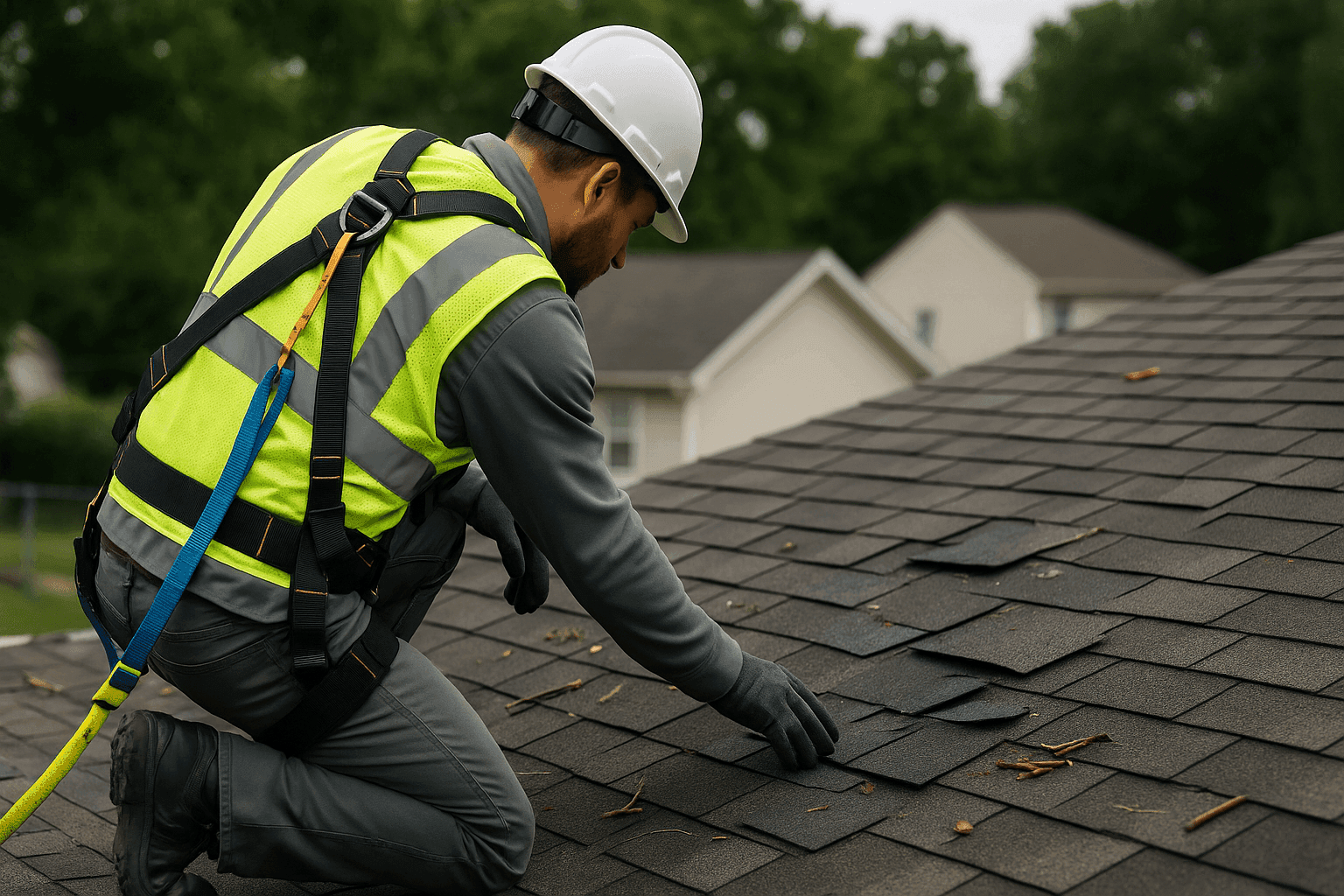
When a severe storm rips through your area, the damage can feel overwhelming. Water pouring in where it shouldn’t. Shingles scattered across your yard. The uncertainty of what comes next.
You’re not alone. At Serenzia Roofing, we work with homeowners and commercial property managers every season, helping them protect what matters most. Here’s a clear-cut approach to getting your roof—and your peace of mind—back after a storm.
First Steps After a Storm 🌩️
Storms don’t knock politely—they barge in, leaving chaos behind. The first moments after the sky clears are critical. Your roof is your home’s first shield, and damage can grow fast if left unchecked.
Here’s what to do right away:
- Stay safe. Don’t rush outside or onto the roof. Downed power lines and hidden structural hazards can be deadly.
- Look for visible dangers. From the ground, check for broken tree limbs, sagging roof lines, or loose gutters.
- Photograph everything. Snap photos of any roof, siding, window, or gutter damage. Pictures will back up your insurance claim.
- Call your insurance provider. Start the claim process early. The sooner they know, the sooner you’ll get help.
- Reach out to a roofing professional. Fast action keeps small leaks from becoming disasters.
How to Identify Roof Damage
Your roof might look fine at first glance. But storms are sneaky. Even a single missing shingle or cracked flashing can lead to leaks or mold down the road.
Signs of storm damage include:
- Missing or curled shingles: High winds often lift or tear away shingles, especially near edges and ridges.
- Granule loss: Look for black, bare spots on shingles or piles of gritty debris in downspouts.
- Damaged flashing: Flashing seals the seams around chimneys, skylights, and valleys. If it’s bent or missing, water can seep in.
- Leaks or water stains inside: Brown spots on ceilings or walls signal water’s already made its way in.
- Dented metal or gutters: Hail can leave bruises or cracks on metal roofing, gutters, and downspouts.
- Loose gutters or downspouts: Heavy rains may pull these loose, allowing water to pool where it shouldn’t.
If you spot any of these, jot down details with photos. The more documentation, the smoother your claim.
Temporary Protection Measures 🛠️
If water is entering your home, you may need to act fast before help arrives. Think of these as putting a bucket under a leak until the plumber shows up.
Short-term steps:
- Cover holes with tarps: Secure them with boards or weights, not nails (which can add more leaks).
- Move valuables: Get furniture, electronics, and important papers away from water-prone spots.
- Contain leaks: Place buckets or towels under drips to limit water damage inside.
- Avoid electrical hazards: If ceilings are bulging or you see sparks, shut off power to affected areas (if safe).
Remember, never climb onto a wet or damaged roof yourself. Leave high or steep repairs to roofing professionals.
Restoration and Insurance Tips
Restoring your roof after a storm is a process—sometimes a long one. But knowing what to expect makes it less daunting.
What to Expect from a Professional Restoration
When Serenzia Roofing arrives, here’s how we tackle storm damage:
- Thorough inspection: We check every inch—shingles, flashing, gutters, attic, skylights, and more. Our goal? Find hidden trouble before it spreads.
- Documentation: We photograph all damage and write up a detailed report for your insurance claim.
- Temporary repairs: We’ll secure tarps, patch leaks, and make sure your home is safe from new storms.
- Full restoration plan: You’ll get a clear outline of needed repairs—whether it’s a few shingles, flashing, or a full roof replacement.
- Coordination with insurance: We often work directly with adjusters to streamline your claim.
- Quality repairs: Our crews use trusted materials and methods that meet local building codes (reference: International Residential Code) and manufacturer standards.
Insurance Claim Tips 📋
- Don’t delay: Most insurers have deadlines for storm claims.
- Keep receipts: Save invoices for emergency repairs, tarps, or hotel stays if you must leave home.
- Request adjuster inspection: Be present if possible, and have your photos and notes ready.
- Ask questions: Make sure you understand what your policy covers—some exclude wind, hail, or flood.
Emergency Safety: Avoiding Hazards
In the aftermath of a storm, your home may hide dangers beneath the surface. Waterlogged ceilings, exposed wiring, or unstable roof decking can make things worse.
Stay out of rooms with:
- Sagging ceilings or walls (they can collapse without warning).
- Flickering lights, sparks, or wet outlets.
- A strong musty smell, which may signal hidden mold.
If you notice these, evacuate the area and call your utility provider or emergency services. Safety first—always.
Visual Indicators of Damage
Not all damage is as obvious as a missing roof section. Here’s what to look for after the storm:
- Small cracks or bruises in shingles: Hail can leave subtle marks that weaken shingles over time.
- Loose or missing flashing: Water loves to sneak in at joints and corners.
- Gutter separation: Water can spill down siding, eroding foundations.
- Damp attic insulation: A sure sign water is getting in above.
- Water spots on exterior walls: May point to leaks higher up.
Walk around your property. Binoculars can help you spot problems from the ground.
Documentation for Insurance
Proper documentation is your best friend in a storm’s wake.
- Take clear photos: Before and after the storm, if possible.
- Note dates and times: Jot down when you discovered damage.
- Keep a repair log: Who you called, when, and what they did.
- Save all receipts: Insurers often reimburse emergency expenses.
If you’re unsure how to document, the Insurance Information Institute offers excellent guidelines.
Restoration Process: From Inspection to Final Repairs 🏚️
A solid restoration follows these stages:
- Inspection: Detailed review of the entire roofing system, attic, and drainage.
- Damage assessment: Categorize urgent vs. long-term repairs.
- Temporary fixes: Tarps, sealants, or boards to prevent further water entry.
- Insurance coordination: Share findings with your adjuster, provide documentation.
- Repair or replacement: From new shingles to full roof replacement, depending on the extent.
- Final inspection: Confirm all work meets code and manufacturer requirements.
Serenzia Roofing handles everything from Preventative Maintenance near you to full storm restoration, including gutters, flashing, and skylights.
What to Expect from Professional Storm Damage Services
When you hire a reputable roofing company, you’re not just getting repairs—you’re getting expertise, adherence to safety standards, and support through every step.
Professional services include:
- Fast response for emergency leaks or exposed interiors.
- Full property inspection—roof, attic, gutters, vents, skylights.
- Honest recommendations based on code and manufacturer specs.
- Clear communication on timelines, costs, and what’s covered by insurance.
- Follow-up Preventative Maintenance options to keep your new or repaired roof protected in future storms.
Timely Action: Why Speed Matters
Every hour counts after a storm. Water intrusion, even minor, can lead to mold, rotting wood, or structural issues. Insurance claims also move faster when damage is fresh and well-documented.
Don’t wait until the next rainstorm to address roof issues. Acting today can save you thousands tomorrow.
FAQ: Common Storm Damage Questions
How soon should I inspect my roof after a storm?
As soon as it’s safe. Don’t climb up—inspect from the ground and call for a professional inspection.
What if my roof is leaking right now?
Move valuables, contain water, and call for emergency roofing services immediately.
Do I need to file an insurance claim for every repair?
Smaller issues may not exceed your deductible. But for significant leaks or missing roofing, claims are recommended—check with your insurer.
Can I repair storm damage myself?
Some simple tasks (like covering with tarps) can help in a pinch, but permanent repairs should be handled by trained roofing professionals.
Local and Seasonal Considerations
Storms vary by region and season. In hurricane zones, wind and flying debris are constant threats. Hail-prone areas see more shingle bruising and gutter dents. Wherever you are, regular inspections and Preventative Maintenance near you can help spot vulnerabilities before the next weather event.
Winter storms bring ice dams and heavy snow. Spring storms send water running into every crack. Ask your roofing company about seasonal checkups and upgrades, such as impact-resistant shingles or extra ventilation and insulation, to strengthen your roof year-round.
Recovering from storm damage is never easy, but you don’t have to do it alone. Whether you need Preventative Maintenance, emergency leak repairs, or a full roof replacement, Serenzia Roofing is here for you.
Call Serenzia Roofing now — or reach us anytime at 877-315-8758 .