Gutter Installation & Repair: The Homeowner’s Comprehensive Guide
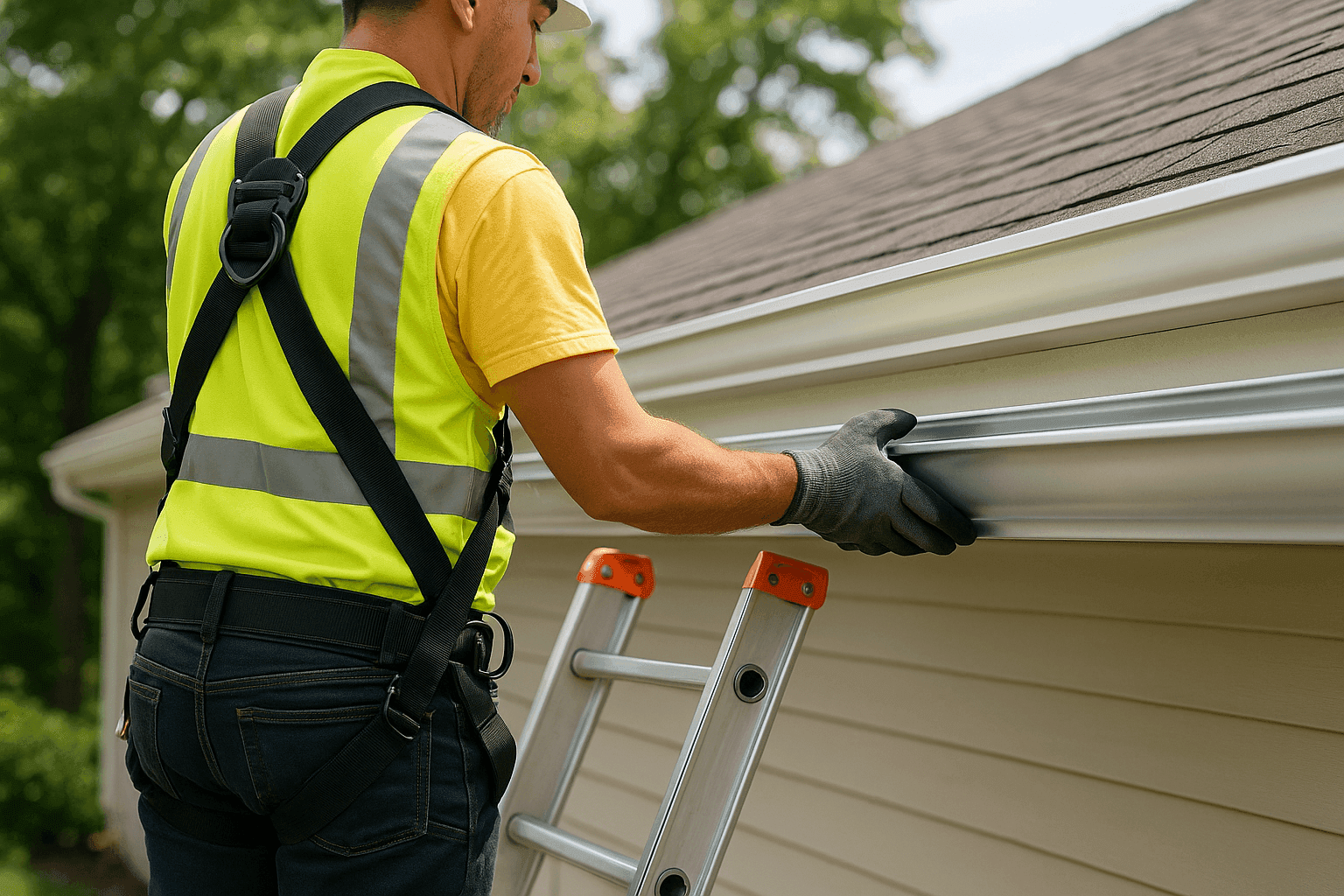
Water does its best work in the right place. But when it runs wild off a roof, it’s like a river with no banks—messy and destructive. At Serenzia Roofing, we see the story unfold every rainy season: one loose downspout, a gutter packed tight with leaves, and suddenly your foundation is at risk.
Gutters and downspouts are the unsung heroes of every building, channeling water away, protecting siding, landscaping, even the bones of your house. Whether you own a cozy bungalow or manage a sprawling commercial property, understanding your gutter system is crucial. This guide walks you through what matters—materials, sizing, safety, common pitfalls, and when to call for help.
Why Gutters Matter 🏠
Imagine rain cascading off your roof. Where does it go? Without gutters, that water pools around your foundation, seeps into basements, erodes soil, and can even sneak under shingles. Over time, this leads to:
- Foundation cracks and settlement
- Mold and mildew in basements or crawlspaces
- Rotted fascia, soffits, and roof decking
- Washed-out landscaping
- Icy walkways in winter
For commercial properties, clogged or broken gutters can mean damaged inventory, unsafe entrances, and costly repairs. Gutters are your first line of defense—like a helmet for your roof and walls.
A well-designed gutter system, paired with regular Preventative Maintenance near you, preserves your investment and keeps your property safe.
Choosing the Right Gutter System
Not all gutters are created equal. Here’s what really matters:
Material Options
- Aluminum: Lightweight, doesn’t rust, and comes in many colors. Most common for both homes and businesses.
- Copper: Beautiful and long-lasting, develops a patina over time. Higher cost, often used for historic or high-end properties.
- Steel: Strong and durable, but needs a protective coating to avoid rust.
- Vinyl: Affordable and easy to install, but less durable in extreme climates.
- Galvanized: Steel coated with zinc for rust resistance. Popular in commercial roofing.
- Zinc: Very long-lasting, lower maintenance, but higher upfront cost.
Sizing & Shape
- Residential: 5-inch K-style or half-round gutters fit most homes. Downspouts are usually 2x3 or 3x4 inches.
- Commercial: Larger buildings may need 6-inch or bigger gutters with oversized downspouts to handle more runoff.
Shape matters, too. K-style gutters hold more water, while half-rounds are easier to clean and less prone to clogging.
Installation Best Practices
- Gutters should slope (about 1/4 inch per 10 feet) toward downspouts.
- Downspouts should extend several feet from the foundation or into proper drainage.
- Use gutter hangers spaced every 2 feet—or closer in snowy regions.
- Seal all joints and end caps with quality roofing sealant.
- Always check that gutters tuck snugly under the drip edge for best water flow.
Poor installation leads to leaks, sagging, or ice dams. If your gutters look more like rollercoasters than straight lines, it’s time for a professional touch.
DIY vs. Professional Installation
It’s tempting to tackle gutters yourself. Hardware stores sell kits and tutorials seem simple. But here’s the catch: Gutters are more than just snap-together pipes.
DIY Works If:
- You’re comfortable on ladders and roofs.
- Your roof is single-story and not too steep.
- You have the right tools: sturdy ladder, tin snips, drill, level, caulk gun.
- You’re only replacing a short section, not a full system.
Call Serenzia Roofing When:
- The roof is steep, tall, or tricky to access.
- You need seamless gutters (cut to size on-site).
- You’re upgrading to larger commercial systems.
- There’s structural damage, wood rot, or you see signs of previous water intrusion.
- Electrical lines or complicated rooflines are involved.
A poorly installed gutter system can void manufacturer warranties and cause more problems than it solves. Pros also ensure compliance with local building codes and OSHA safety guidelines.
Common Gutter Repairs
Even the best gutters need attention. Here’s what we fix most often:
Signs of Gutter Trouble
- Leaks: Water drips from seams, corners, or end caps.
- Sagging: Gutters pull away from the fascia or dip in the middle.
- Overflow: Water shoots over the sides during rain.
- Peeling Paint or Rust: Signs that water isn’t draining correctly.
- Mold or Water Stains: On siding or foundation below gutters.
Typical Repairs
- Resealing joints and corners with elastomeric gutter caulk.
- Replacing damaged sections or hangers.
- Re-aligning slopes for proper drainage.
- Installing splash guards, gutter screens, or downspout extensions.
- Re-attaching loose downspouts or replacing crushed sections.
For commercial properties, regular inspections are critical—clogged roof drains or box gutters can lead to thousands in water damage.
Maintaining Your Gutters
Gutters are like your car’s oil: ignore them, and you’ll pay later. A little Preventative Maintenance near you goes a long way.
Seasonal Checklist
- Spring: Clear out winter debris, check for ice damage or loose fasteners.
- Early Fall: Remove leaves and twigs before the rainy season.
- After Storms: Inspect for dents, clogs, or detached pieces.
Maintenance Tips
- Clean gutters at least twice a year (more often near trees).
- Flush downspouts with a hose to check for blockages.
- Use a scoop for wet debris—don’t just rely on your hands.
- Wear gloves and safety glasses (rusty metal and sharp screws hurt).
- Install gutter guards to reduce cleaning frequency, but still check for clogs.
Safety First
- Use a sturdy, well-positioned ladder (preferably with ladder stabilizers).
- Never lean out past the rails.
- Don’t work alone—have someone hold the ladder.
- Watch for power lines, especially with metal gutters and downspouts.
According to the U.S. Consumer Product Safety Commission, thousands of ladder injuries happen each year. Take your time, and when in doubt, call a pro.
When to Repair vs. Replace
Not sure if it’s time for new gutters? Here’s how to decide:
- Minor leaks or loose sections: Repair is usually enough.
- Widespread rust, cracks, or multiple sags: Replacement saves money long-term.
- Frequent clogs despite cleaning: Upgrade to larger or seamless gutters.
- Rotten fascia or soffit: Often a sign you need both gutter and structural repair.
If you see pooling near your foundation after every rain, don’t wait. Water damage is sneaky and expensive.
Gutter Installation & Repair: Quick Safety Checklist 🚧
- Inspect your ladder before every use.
- Wear non-slip shoes and gloves.
- Never work in wet or windy conditions.
- Keep tools in a belt or bucket, not loose on the roof.
- Have a spotter or helper nearby.
- Be extra cautious on multi-story buildings—call for professional help.
Check the Occupational Safety and Health Administration (OSHA) guidelines for additional ladder and roof work safety tips.
Maintaining Your Gutters: A Routine That Pays Off
Make gutter cleaning part of your seasonal home care—like swapping out smoke detector batteries or changing furnace filters. Consistency keeps water where it belongs and extends the life of your roof, siding, and foundation.
- Clean at least twice a year, more if you have overhanging trees.
- Inspect after big storms or high winds.
- Check that downspouts direct water at least 3–6 feet away from your foundation.
- Watch for signs of mildew, soil erosion, or puddles near the house.
For commercial properties, set a quarterly inspection schedule. Blocked roof drains on flat roofs can cause massive leaks and costly downtime.
Costs & Time Factors
Gutter projects range widely in price and timing, depending on the size of your property and the materials you choose.
What Affects Cost?
- Material: Aluminum costs less than copper or steel.
- Project scope: Single section repair vs. full replacement.
- Accessibility: Multi-story buildings and steep roofs require more labor.
- Add-ons: Gutter guards, splash blocks, or custom downspouts.
Typical Timeframes
- Small repairs: 1–2 hours.
- Full residential replacement: 1–2 days.
- Commercial projects: Larger jobs may take several days to a week.
DIY jobs may take longer if you’re new to the process, especially on multi-level buildings.
When It’s an Emergency
Sometimes, gutter problems can’t wait:
- Water pouring over the edges during heavy rain
- Detached downspouts causing basement flooding
- Visible foundation cracks or water in your crawlspace
- Major leaks coming through ceilings or walls
In these cases, stopgap measures—like placing buckets or redirecting water with temporary tubing—can help. But don’t delay calling for emergency roof repair or Preventative Maintenance near you.
FAQ: Gutter Installation & Repair
How often do gutters need to be replaced?
Most systems last 20–30 years with regular care, but harsh climates or poor maintenance can shorten that lifespan.
Are gutter guards worth it?
For properties with lots of trees, yes. They reduce cleaning but don’t eliminate it—occasional inspection is still needed.
Can clogged gutters cause roof leaks?
Absolutely. Overflowing gutters can push water back under shingles or into soffits, leading to leaks and rot.
What’s the best gutter for heavy rainfall?
Oversized (6-inch) K-style gutters and wide downspouts handle more water. Seamless aluminum or steel systems are a solid choice.
Local & Seasonal Considerations
Climate matters. In snowy regions, ice dams can damage gutters—opt for heavy-duty hangers and proper insulation. Coastal properties face salt and wind, so corrosion-resistant materials like aluminum or copper make sense. Urban areas with lots of trees may need more frequent cleaning and mesh gutter guards.
Check local building codes for requirements on gutter size, placement, and water discharge. The International Residential Code (IRC) and the International Building Code (IBC) offer guidelines on proper installation and drainage for both homes and commercial spaces.
Taking care of your gutters is like brushing your teeth: not glamorous, but essential for long-term health. If you’re facing stubborn leaks, sagging metal, or just want a second opinion, Serenzia Roofing is here to help with honest, professional advice.
Call Serenzia Roofing now — or reach us anytime at 877-315-8758 .