Roof Replacement Cost Breakdown: What Homeowners & Businesses Should Expect
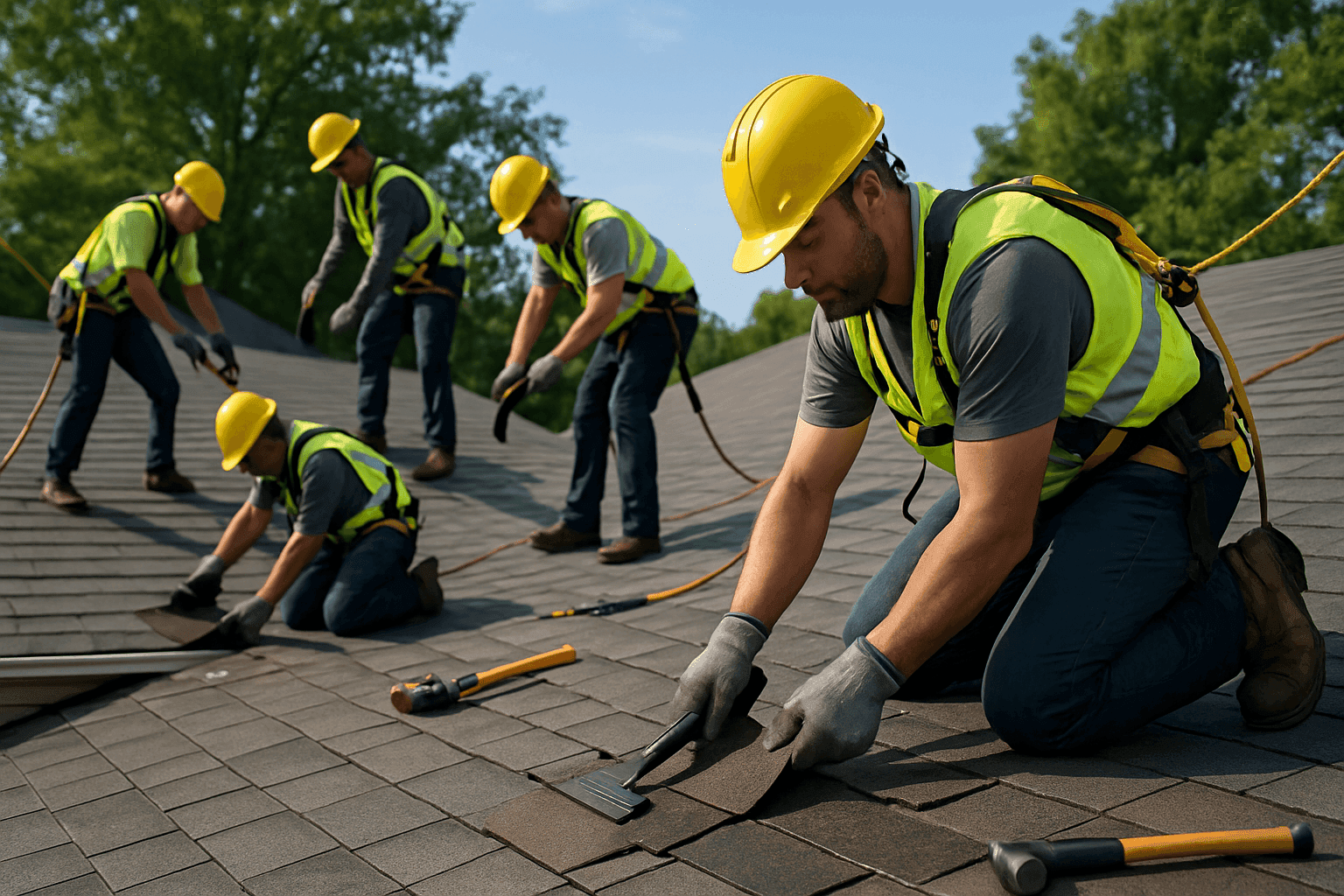
Replacing a roof—whether on your home or business—can feel overwhelming. Your roof protects more than just bricks and beams. It shields memories, investments, and futures from the elements.
When it’s time for a new roof, the first question is often: How much will it cost? The answer isn’t simple. But understanding what goes into the cost can help you plan and avoid unwelcome surprises.
Major Factors Affecting Roof Replacement Cost 🏠
Imagine your roof as a giant puzzle. Each piece—materials, labor, pitch, size—affects the final price.
- Roof size: A larger roof means more materials and more labor. Square footage is the starting point.
- Pitch and complexity: Steep or multi-level roofs require more safety measures and specialized skills. A flat roof is less risky than one that slopes like a ski jump.
- Access: If roofers can’t easily get equipment to your building, expect higher costs.
- Existing condition: If your decking or structure is damaged, repairs add to the total.
- Type of job: A full replacement costs more than a layer-over. Removing old materials is labor-intensive.
- Local codes and climate: Building codes may require specific materials or techniques, especially in areas with heavy snow, hurricanes, or wildfires. Always check with local code officials or resources like the International Code Council.
These factors are like the ingredients in a recipe. Change one, and the flavor—and cost—shifts.
Residential vs. Commercial Cost Considerations
Homeowners and business owners face different realities when it comes to roof replacement.
Residential Roofing
- Typical homes have pitched roofs, often with shingles or tiles.
- Projects usually take 1–3 days, depending on size and weather.
- Residential jobs often require more careful handling of landscaping, gardens, and personal property.
Commercial Roofing
- Commercial roofs are often flat or low-slope, with materials like TPO, EPDM, or metal.
- Projects can be much larger—think warehouses, apartment buildings, or offices.
- Jobs may involve complex ventilation, skylights, or solar panels.
- Costs can rise if the building has HVAC units or other equipment on the roof.
Both types need Preventative Maintenance near you to extend lifespan and avoid big repair bills down the road.
Material Choices and Their Impact
Material is the single biggest wild card in your roofing estimate. It’s like choosing between cotton and leather for a jacket: both work, but the difference in price and durability is stark.
- Asphalt shingles: The most common and usually the least expensive. Good for most homes.
- Metal roofing: Durable and energy-efficient. Costs more upfront but can last decades longer.
- Tile or slate: Heavy, beautiful, and long-lasting. Requires a strong structure to support the extra weight.
- Flat roof membranes (TPO, EPDM, PVC): Popular for commercial buildings. Durable, but each type has its own price and maintenance needs.
- Eco-friendly options: Green roofs, solar shingles, and other sustainable materials cost more to install but can lower long-term energy bills.
Every material has different installation requirements, warranties, and maintenance needs. The right choice depends on your budget, climate, and design preferences.
Labor, Permits, and Unexpected Expenses 🛠️
Labor is often the largest part of the bill—sometimes half or more. Skilled roofers are worth their weight in gold, especially when safety is a concern.
- Labor: The more complicated your roof (think valleys, dormers, or chimneys), the more time and skill required.
- Permits: Most municipalities require permits for roof replacement. Fees vary, but skipping this step can mean fines or problems at resale.
- Inspections: Some locations require mid-job or final inspections. Plan for these in your schedule and budget.
- Disposal: Old roofing materials need proper disposal. Dump fees and transport add up.
- Unforeseen issues: Sometimes, what’s under your shingles is a mystery until the old roof comes off. Rotten decking, hidden leaks, or structural damage can add hundreds—or thousands—to your project.
It’s smart to build a cushion into your budget for these surprises. Think of it as an umbrella for your umbrella.
How to Budget for a Roof Replacement
You wouldn’t set out on a road trip without a map. Planning your roof replacement budget is no different.
Practical Tips
- Get multiple estimates. Prices can vary widely. Three quotes is a good rule of thumb.
- Compare apples to apples. Make sure each quote includes the same materials, scope, and warranty details.
- Ask about credentials. A reputable roofing contractor should have valid insurance, licensing, and references. The National Roofing Contractors Association is a good resource for understanding what to look for.
- Review the scope. Understand exactly what’s included: tear-off, disposal, permits, materials, labor, and cleanup.
- Plan for contingencies. Set aside 10–20% above the estimate for unexpected repairs.
- Don’t pay everything upfront. Most reputable companies require a deposit, with the balance due at completion.
Budget Pitfalls to Avoid
- Lowest bid temptation: The cheapest choice isn’t always the best. Poor installation can mean costly repairs later.
- Ignoring small print: Hidden fees can lurk in vague contracts.
- Skipping warranties: Always understand what’s covered—and for how long.
What Else Can Affect the Bottom Line?
Sometimes, it’s the “small stuff” that sneaks up on budgets.
- Gutter installation or repair: Often necessary if your existing gutters are damaged or outdated.
- Skylight or ventilation updates: Replacing these while the roof is off is more efficient—and less expensive—than doing it later.
- Specialty features: Chimney flashing, decking repairs, downspout replacement, and custom sealants all add up.
How Residential and Commercial Owners Can Set Realistic Expectations
Whether it’s your forever home or your business headquarters, roof replacement is a major investment. Here’s how to set yourself up for success:
- Start early: Don’t wait for leaks or visible damage. Regular roof inspections and Preventative Maintenance near you can help spot trouble before it grows.
- Communicate openly: Discuss timelines, weather delays, and access needs with your contractor.
- Know your priorities: Decide what matters most—cost, longevity, appearance, or energy efficiency.
Frequently Asked Questions
How often does a roof need to be replaced?
Most residential roofs last 15–30 years, depending on materials and climate. Commercial roofs can last longer or shorter, depending on use and maintenance.
What if I find leaks or damage during the project?
Unforeseen issues—like rotten decking or structural repairs—can add to the bill. Your contractor should explain any discoveries and document them with photos.
Can I stay in my home or run my business during replacement?
Usually, yes. Roof work is noisy, but most projects allow you to stay put. Your contractor will advise if special safety measures are needed.
What maintenance helps delay replacement?
Regular gutter cleaning, annual inspections, and prompt leak repairs can extend your roof’s lifespan. Look for Preventative Maintenance near you.
Final Thoughts
A new roof is one of the most important upgrades you’ll ever make. It’s not just about shingles and nails—it’s about security, property value, and peace of mind. By understanding what drives the cost of roof replacement, you can make choices that fit your needs—and your budget.
Ready to talk through your options?
Call Serenzia Roofing now — or reach us anytime at 877-315-8758 .